
Men’s vs Women’s Attar: Do the Notes Really Differ?
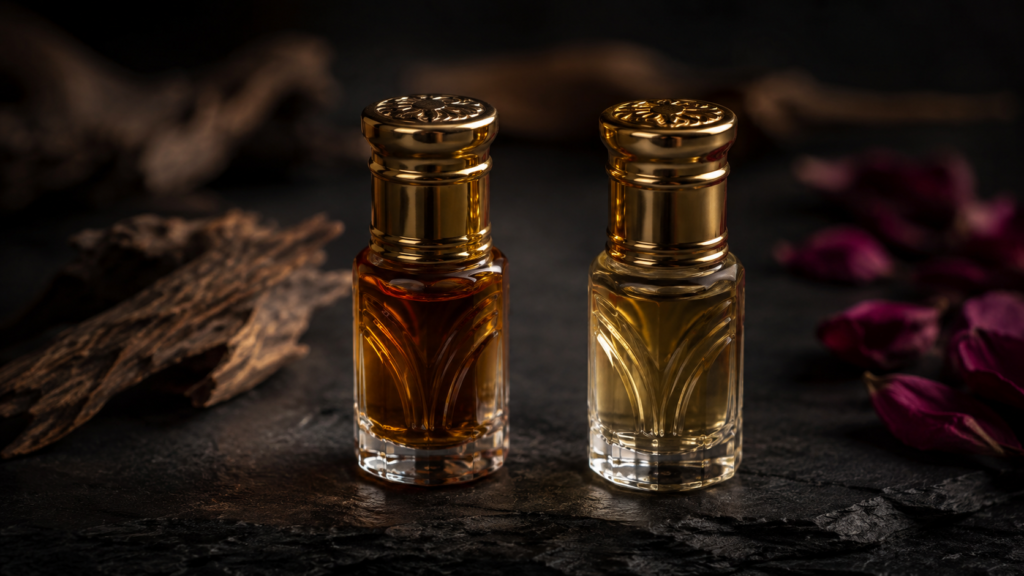
Fragrance shopping still gets sorted into “men’s” and “women’s” sections almost everywhere, and attar is no exception. But the honest answer to which notes suit which gender is: it’s mostly tradition, not a hard rule. Here’s what actually tends to differ, and why the label matters a lot less than how a scent behaves on you.
The General Pattern (and Why It’s Only a Pattern)
Across most attar collections, you’ll notice a rough split: deeper, richer, spicier notes get marketed toward men, while lighter, sweeter, floral notes get marketed toward women. That’s not random — it reflects decades of fragrance marketing rather than any chemical rule about what a man or woman “should” wear. Attar in particular blurs this more than alcohol-based perfume does, because many of its core ingredients — sandalwood, musk, oud — are worn confidently by both men and women depending on how they’re blended.
Notes Commonly Marketed Toward Men
- Oud (Dehnul Oud): Deep, woody, resinous — often the anchor note in traditional men’s attar blends.
- Musk (Kasturi): Warm and skin-close, frequently used as a base that other notes build on top of.
- Shamama: A spiced, layered blend traditionally associated with festive and formal occasions.
- Sandalwood: Woody and grounding, though this one is worn just as often by women.
Notes Commonly Marketed Toward Women
- Rose: The most classic floral attar note — soft, romantic, widely worn.
- Jasmine: Rich and heady in small doses, lighter when blended.
- Blue Lotus: A gentler, more aquatic-leaning floral.
- Mogra: Sweet and distinctly Southeast Asian in character, popular for daytime wear.
Where the Line Genuinely Disappears
Musk and sandalwood are the two biggest examples of attar notes that don’t really split by gender at all — they’re blended into both men’s and women’s attars constantly, and how “masculine” or “feminine” they read has more to do with what they’re paired with than the note itself. A musk blended with rose reads softer; the same musk blended with oud reads deeper. If you’re shopping and unsure which “side” to look in, unisex-leaning notes like these are a safe starting point.
What Should Actually Guide Your Choice
Occasion and time of day
Lighter, fresher attars suit daytime and everyday wear regardless of gender labeling. Richer, warmer attars suit evenings, festive events, and formal occasions.
Your skin chemistry
The same attar can smell noticeably different from one person to the next. A note that reads sweet on one person’s skin might read muskier or sharper on another’s — which is exactly why testing before committing to a full bottle matters.
What you actually respond to
If a “men’s” oud blend is what makes you want to wear a fragrance every day, the label on the shelf shouldn’t be the deciding factor. The most-worn attar is the one you reach for, not the one matching a marketing category.
Frequently Asked Questions
Can women wear “men’s” attar and vice versa?
Yes. Attar categorization by gender is a marketing convention, not a rule. Many people wear whatever note profile suits their skin and preference regardless of how it’s labeled.
What’s the most unisex attar note?
Musk and sandalwood are the two most commonly worn across genders, since they act as neutral, grounding bases that pair well with both deeper and lighter notes.
Are floral attars only for women?
No. Rose and similar florals are traditionally marketed toward women, but there’s no rule against anyone wearing them — it comes down to personal preference.
Final Thought
The men’s/women’s split in attar is a useful starting point for browsing, not a rule to follow strictly. Pay attention to occasion, your own skin chemistry, and what you actually enjoy wearing more than which shelf a scent was marketed on. Explore UZ’s full Attar collection, or start with a tester if you want to try a note profile before committing.