
Can You Wear Attar During Hajj or Umrah? What Ihram Actually Restricts
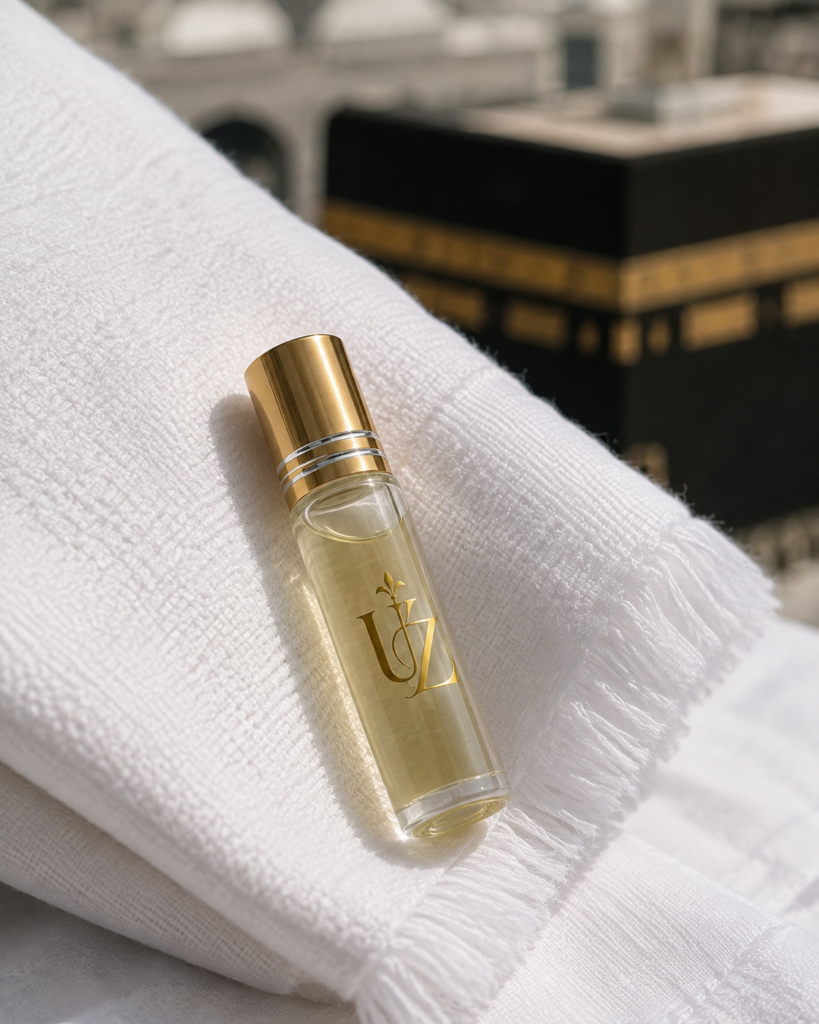
A lot of people assume that because attar is alcohol-free, it must be fine to wear during Hajj or Umrah — after all, isn’t the concern with perfume usually the alcohol? It’s a reasonable assumption, and it’s incorrect. Here’s what’s actually restricted, when, and what that means for how you pack and use fragrance around your pilgrimage.
The Restriction Is About Scent, Not Alcohol
Once a pilgrim enters the state of Ihram, the restriction on fragrance applies to any scented product used for the purpose of beautification — attar, perfume, scented oils, scented soap, and similar items. Alcohol content isn’t the deciding factor at all; whether something is meant to make you smell fragrant is. This means alcohol-free attar is treated the same as alcohol-based perfume once you’re in Ihram — both are avoided, not just one.
This matters for attar specifically because it’s so often marketed and understood as the “purer” or “more natural” alternative to alcohol-based perfume, which can create the impression that it’s exempt from fragrance restrictions during Ihram. It isn’t.
Before Ihram: Applying Fragrance Is Different
The point in time matters a great deal here. Wearing attar or perfume on your body before entering the state of Ihram is generally permitted, even if some scent lingers once Ihram begins — the key distinction many scholars draw is between applying fragrance while still in Ihram versus scent that was already on your skin beforehand. What’s restricted is applying a fragrance, including attar, once you’ve entered Ihram, and reapplying or refreshing it during that state.
Because guidance can vary slightly between schools of thought and specific situations, it’s worth confirming the exact rulings that apply to you with a knowledgeable scholar or your travel/religious guide before your trip, rather than relying solely on general information like this.
What This Means Practically When You Travel
Apply fragrance before you reach the miqat
If you want to wear attar, the appropriate window is before you enter Ihram at your miqat point, not after. Many travelers apply a favorite attar the morning of departure, before changing into Ihram garments.
Pack it for after Ihram, not during
Attar remains completely appropriate to bring on your trip for wear before Ihram and again after you exit the state of Ihram — there’s no restriction on enjoying it during other parts of your journey.
Watch for scent transfer
Strongly scented soap, shampoo, or laundry detergent can transfer fragrance onto skin or Ihram cloth without you directly applying anything. If you’re travelling close to entering Ihram, switching to unscented toiletries for that stretch avoids any accidental issues.
Bring something travel-friendly
A small roll-on or dabber-style attar bottle is easier to manage around these timing windows than a large spray bottle, and it’s simpler to apply precisely before you change into Ihram garments.
Frequently Asked Questions
Is attar allowed during Ihram because it’s alcohol-free?
No. The restriction during Ihram is based on fragrance for beautification, not alcohol content, so alcohol-free attar is treated the same as any other scented product once Ihram has begun.
Can I wear attar before entering Ihram?
Generally, yes. Applying fragrance before Ihram begins is commonly permitted, even if some scent remains once you’re in Ihram, since the restriction concerns applying fragrance during the state itself.
What should I do if I accidentally apply attar while in Ihram?
Stop using it immediately, avoid spreading or rubbing it further, and consult a knowledgeable scholar or your guide about next steps, since specific rulings can vary.
Final Thought
Alcohol-free doesn’t mean Ihram-safe — the timing of when you apply attar matters more than what it’s made of. Wear it before your miqat, pack it for after Ihram, and confirm specifics with a scholar or guide if you’re ever unsure. Browse UZ’s Attar collection for travel-friendly options to wear before and after your journey.